


Quick answer
Cessed-building redevelopment in Wadala means demolishing an old, usually load-bearing structure registered with the MHADA Mumbai Building Repair & Reconstruction Board and building a new RCC tower on the same plot, with existing owners and tenants getting new homes or shops. It needs clear title, written consent of occupants (and a tenant settlement), BMC building permission under DCPR 2034, and typically takes 30–42 months from agreement to possession.
On this page
- Key takeaways
- Why cessed buildings in Wadala need redevelopment
- Step-by-step cessed-building redevelopment process
- Tenants, owners and consent
- What cessed-building redevelopment costs in Wadala
- Heritage and height checks
- Wadala's transition from salt-pan-adjacent stock to transit-oriented towers
- A worked example for a Wadala redevelopment plot
- Financing around soil and foundation uncertainty
- Consent and disputes on older Wadala plots
- Frequently asked questions
Key takeaways
- Start with a title search and a structural audit — they decide whether redevelopment is viable.
- Protected tenants have legal rights; agree carpet area and rent in writing before anything else.
- Self-redevelopment with a contractor can leave more area with owners than a builder deal.
- Wadala plots are tight, so shoring, neighbour protection and night logistics drive cost.
01Why cessed buildings in Wadala need redevelopment
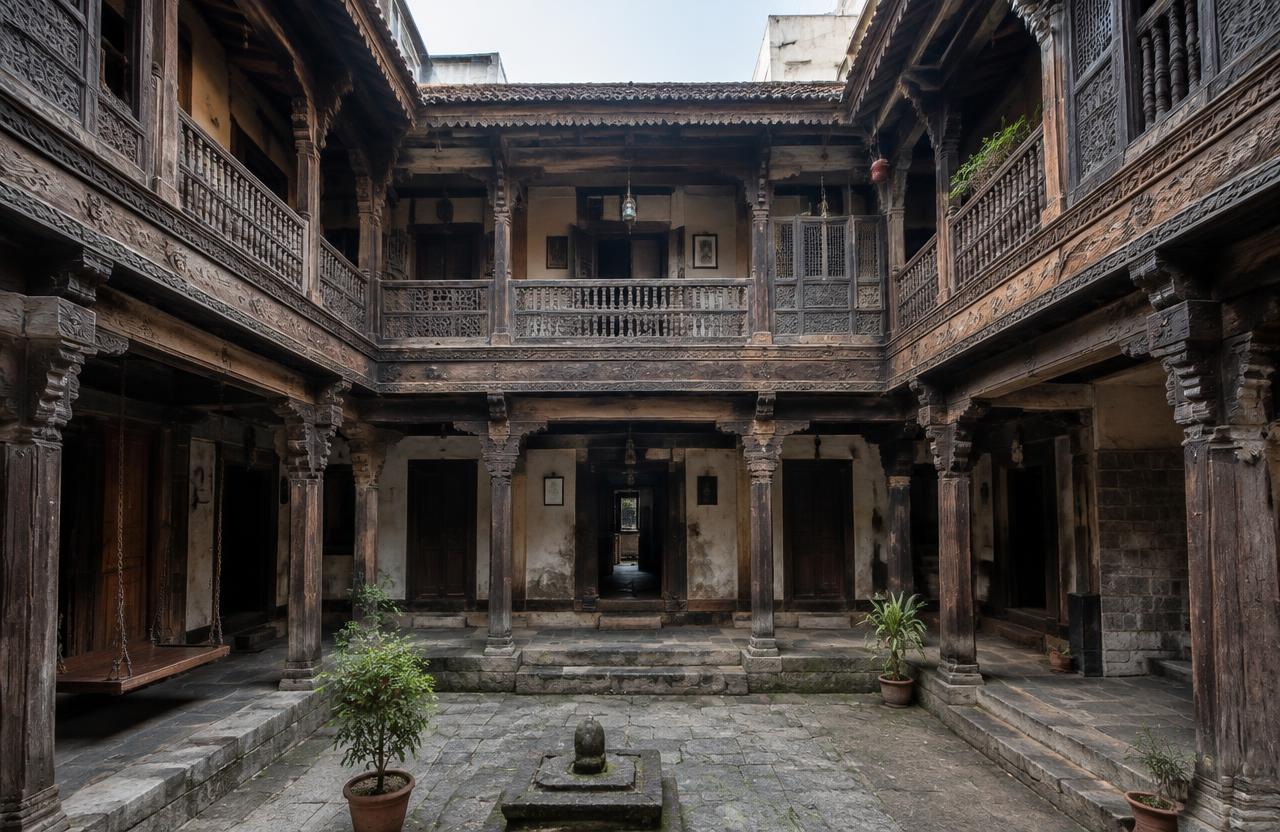
Wadala is a transit-oriented redevelopment zone with new high-rises replacing old salt-pan-adjacent stock. Most cessed buildings here are 60–100+ years old, built in brick and timber with lime mortar, registered under the MHADA Cess Repair Board. Timber rots, roofs leak and walls lose strength, and many of these buildings now feature on BMC's dangerous-structure lists before every monsoon.
Redevelopment turns a fragile structure into a safe, earthquake-resistant RCC building with lifts, parking where possible, and legal clarity for every family.
02Step-by-step cessed-building redevelopment process
A typical process for cessed-building owners looks like this:
- Title search and ownership history by an advocate
- Structural audit and MHADA cess-category check
- Feasibility: plot area, road width, permissible FSI, fungible FSI and TDR
- Owner and tenant meetings; signed consent and area entitlement
- Choose model: builder joint venture, MHADA-led or self-redevelopment with a contractor
- Architectural drawings and BMC building permission under DCPR 2034
- Tenant shifting with rent or transit accommodation
- Demolition, shoring and foundation
- Construction, completion certificate and handover
03Tenants, owners and consent
Many Island City chawls and cessed buildings have long-standing tenants protected under the Maharashtra Rent Control Act and MHADA regulations. Redevelopment normally gives tenants an equal or larger carpet area (subject to MHADA minimums) in the new building, free of cost, plus rent during construction. Owners usually receive extra flats, shops or a cash component.
Disputes between co-owners are the most common reason these projects stall. Settle shares, legal heirs and succession papers early.
04What cessed-building redevelopment costs in Wadala
For self-redevelopment, construction cost in Wadala usually lands between ₹3,200 and ₹4,800 per sq.ft. of built-up area, excluding BMC premiums, TDR purchase and tenant rent. Narrow lanes add cost because of small machinery, manual handling, shoring and restricted delivery timings.
05Heritage and height checks
Some Island City properties lie within heritage precincts (Grade I, IIA or IIB) or near protected monuments, attracting height limits, façade guidelines or extra NOCs from the Mumbai Heritage Conservation Committee. Check the heritage status of your plot before finalising the number of floors.
06Wadala's transition from salt-pan-adjacent stock to transit-oriented towers
Wadala's older residential buildings were developed adjacent to what were historically salt-pan and low-lying marshy land, so ground conditions on many plots here include softer, saline-influenced soil layers that need a more thorough geotechnical investigation than the firmer ground typical of the island city's southern tip.
That soil condition generally means deeper or raft-type foundations and, on some plots, soil-improvement work before the main foundation is cast, adding to both cost and programme compared with a similar-sized plot on firmer ground, so a geotechnical survey early in design is particularly important here.
Wadala's redevelopment has also been accelerated by its transit-hub status — the monorail and suburban rail connections have made new high-rise towers here commercially attractive, so older ground-plus-two chawl and housing stock on plots of 400-800 sq.m is increasingly being replaced by taller towers rather than like-for-like low-rise reconstruction.
07A worked example for a Wadala redevelopment plot
Take a 600 sq.m plot with a ground-plus-two building housing 30 tenant families averaging 220 sq.ft carpet each, roughly 6,600 sq.ft of occupied carpet.
FSI, fungible area and TDR loading typical of this transit-oriented stretch bring buildable potential to roughly 1,900-2,100 sq.m (about 20,400-22,600 sq.ft) built-up.
Reserving 300 sq.ft carpet for each of the 30 occupants uses 9,000 sq.ft carpet, leaving an estimated 7,500-9,500 sq.ft of free-sale carpet area, and at ₹3,600-4,200/sq.ft construction cost — including a soil-condition premium for foundation work — the all-in build runs to roughly ₹7-9 crore, generally covered by free-sale proceeds given Wadala's transit-driven resale demand.
08Financing around soil and foundation uncertainty
Because foundation cost on salt-pan-adjacent ground can only be firmly priced after a geotechnical survey, lenders financing a Wadala self-redevelopment typically ask for that survey to be completed before sizing the construction-finance facility, rather than basing the facility on a preliminary estimate that a poor soil report could later invalidate.
This makes an early-stage corpus contribution from owners important here specifically to fund the geotechnical survey and any resulting foundation redesign before the main construction-finance tranche is committed.
09Consent and disputes on older Wadala plots
As with other ageing Island City stock, succession gaps in tenancy records remain the most common consent hold-up, resolved through a family settlement or succession certificate, while a minority of occupants negotiating for better terms is handled through the standard documented individual rehousing offer process.
A second issue specific to Wadala's history as reclaimed and salt-pan-adjacent land is occasional ambiguity in the original land-use or plot-boundary record, which needs to be verified against the municipal survey and revenue records before the final buildable footprint and FSI entitlement can be confirmed.
Get a free site visit in Wadala
MumbaiConstructions is a civil construction company and turnkey contractor serving Wadala and the wider Mumbai Metropolitan Region since 2009. Share your plot or building details and a project engineer will visit, check feasibility and send a line-item BOQ within 7 working days — no obligation.
Frequently asked questions
How long does cessed-building redevelopment take in Wadala?
Usually 30–42 months: 8–12 months for consents and permissions and 22–30 months for construction.
Do tenants get a flat in the redeveloped building?
In most cases, yes — protected tenants typically receive an equal or larger carpet area (subject to MHADA minimums) free of cost, plus rent or transit accommodation during construction.
Is self-redevelopment possible for a cessed building?
Yes. Owners can appoint an architect and a turnkey contractor like MumbaiConstructions, keep sale flats themselves and fund construction through bank finance or pre-sales.
What if one co-owner refuses consent?
The project usually cannot start until the dispute is resolved through negotiation, mediation or court. Clear succession and partition early.